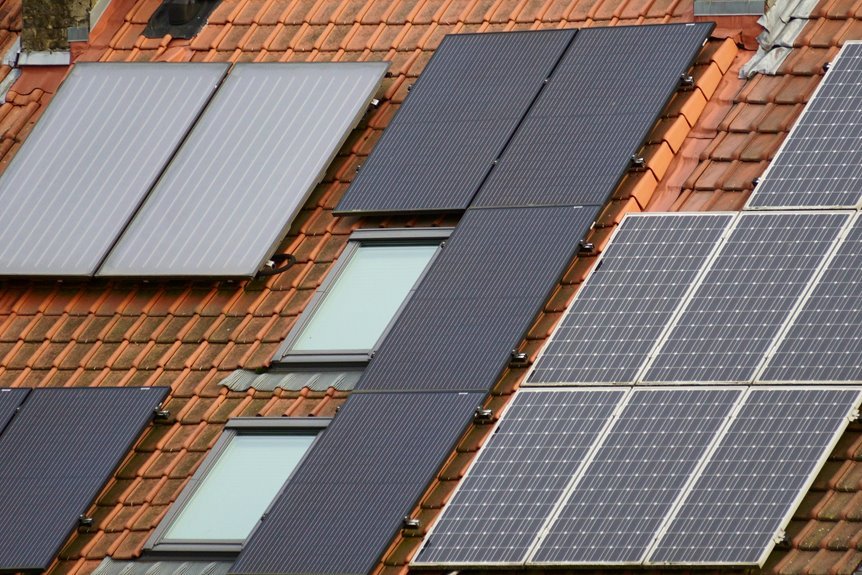
High Efficiency Systems 935505130 Solutions represent a significant advancement in energy management technology. These systems optimize performance while reducing waste, leading to lower operational costs and improved reliability. By offering enhanced control over energy consumption, they align with eco-friendly practices beneficial for various applications. Understanding their features and benefits is crucial for anyone considering a transition to more efficient solutions. What specific advantages do these systems provide compared to traditional options?
Understanding High Efficiency Systems 935505130: Key Features and Benefits
Understanding high efficiency systems, particularly the model 935505130, reveals several key features and benefits that differentiate it from traditional systems.
This model offers significant energy savings through optimized performance and advanced technology. Additionally, it enhances system reliability, ensuring consistent operation and reduced maintenance needs.
These attributes empower users with greater independence and control over their energy consumption, aligning with a desire for sustainable solutions.
How Do High Efficiency Systems Improve Energy Management in Your Home or Business?
How can high efficiency systems transform energy management within residential and commercial settings?
These systems enhance energy savings by optimizing consumption patterns, thereby reducing waste.
By integrating sustainable practices, they facilitate a shift towards eco-friendly operations.
This not only lowers utility costs but also promotes environmental responsibility, empowering users to take control of their energy usage and contribute positively to sustainability efforts.
Comparing High Efficiency Systems 935505130 With Traditional Solutions
High efficiency systems, such as model 935505130, offer a distinct advantage over traditional solutions by employing advanced technologies that optimize energy use and minimize resource waste.
These systems result in significant cost savings through reduced energy consumption while simultaneously lowering the environmental impact.
In contrast, traditional solutions often fail to achieve the same efficiency, leading to higher operational costs and greater resource depletion.
Tips for Selecting the Right High Efficiency System for Your Needs
When selecting a high efficiency system, what factors should be prioritized to ensure optimal performance and cost-effectiveness?
Key considerations include energy efficiency ratings, which indicate potential savings, and system compatibility with existing infrastructure.
Evaluating the specific energy demands of the application can further enhance decision-making.
A thorough analysis of these elements will lead to a system that maximizes performance while minimizing costs.
Conclusion
In conclusion, High Efficiency Systems 935505130 offer significant advantages over traditional energy solutions, providing enhanced performance and reduced operational costs. Notably, studies indicate that implementing energy-efficient systems can reduce energy consumption by up to 30%, underscoring their potential to transform energy management practices. This statistic highlights not only the financial benefits but also the positive environmental impact, reinforcing the importance of adopting advanced technologies for sustainable energy use in both residential and commercial settings.