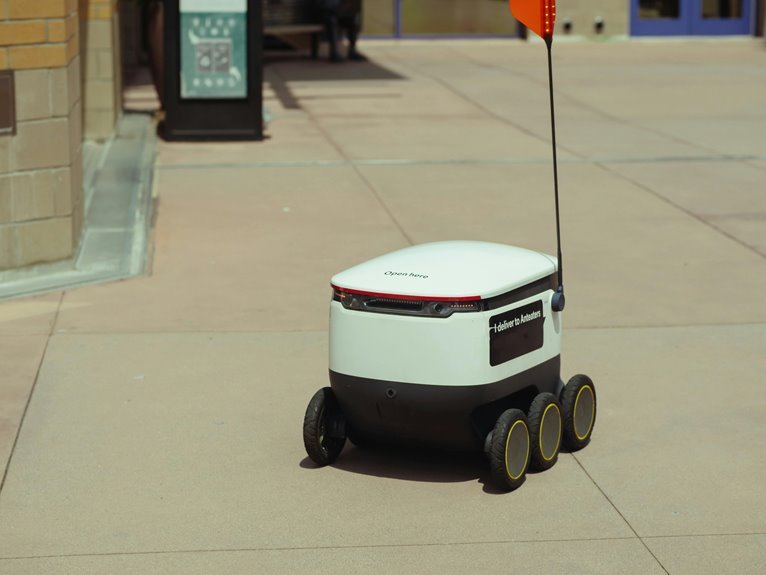
AI Powered Technology 120580699 is reshaping efficiency across various sectors. By utilizing sophisticated data analysis and automation, organizations can optimize processes and minimize errors. This evolution not only streamlines operations but also enhances decision-making capabilities. As businesses adapt to these advancements, the implications for future operational strategies become increasingly significant. Understanding these dynamics could reveal surprising insights into the potential of AI technology in transforming traditional workflows.
Key Features of AI Powered Technology 120580699
AI powered technology embodies several key features that enhance efficiency and effectiveness across various domains.
Central to its utility are advanced data analysis capabilities that transform raw information into actionable insights.
Coupled with robust automation solutions, these features streamline processes, reduce human error, and liberate individuals from mundane tasks, fostering a more dynamic environment where creativity and innovation can flourish.
Real-World Applications Transforming Business Efficiency
The integration of AI powered technology into business practices is reshaping operational landscapes and driving significant improvements in efficiency.
Industry case studies illustrate automation benefits, showcasing how companies streamline processes, reduce costs, and enhance productivity.
From supply chain management to customer service, AI tools empower organizations to optimize workflows, leading to unprecedented freedom in decision-making and resource allocation.
How Does AI Technology Enhance Decision-Making Processes?
How can organizations leverage AI technology to enhance their decision-making processes?
By utilizing advanced data analysis and predictive modeling, AI empowers businesses to make informed choices swiftly. These technologies analyze vast datasets, identify patterns, and forecast outcomes, allowing leaders to navigate uncertainties with confidence.
Consequently, organizations can harness AI to optimize strategies and respond proactively to market dynamics, fostering greater operational agility.
Future Trends in AI and Their Impact on Operational Efficiency
As organizations increasingly embrace digital transformation, emerging trends in artificial intelligence promise to redefine operational efficiency across various sectors.
These advancements necessitate ethical considerations, particularly regarding data privacy and bias.
Furthermore, workforce implications arise as automation and AI tools reshape job roles, requiring reskilling and adaptation.
Ultimately, the integration of AI can foster innovation while demanding a balanced approach to human and technological collaboration.
Conclusion
As the sun sets on traditional inefficiencies, AI-powered technology rises like a beacon of innovation, illuminating pathways for organizations to navigate the complexities of modern business. With each data point transformed into actionable insight, companies can embrace a future brimming with potential. The seamless integration of automation and analytics not only fosters a culture of agility but also cultivates an environment where informed decision-making flourishes, ultimately sculpting a landscape ripe for growth and transformation.